
Anthropic launched Claude Fable 5 on June 9, describing it as exceeding any model it had previously made generally available, state of the art on nearly all tested benchmarks, with the lead growing on longer and more complex tasks. It shipped with a one-million-token context window and always-on adaptive thinking, priced at $10 per million input tokens and $50 per million output, distributed across several clouds.
Three days later, on June 12, the model went offline alongside a sibling model, by order of officials citing severe cybersecurity risk.
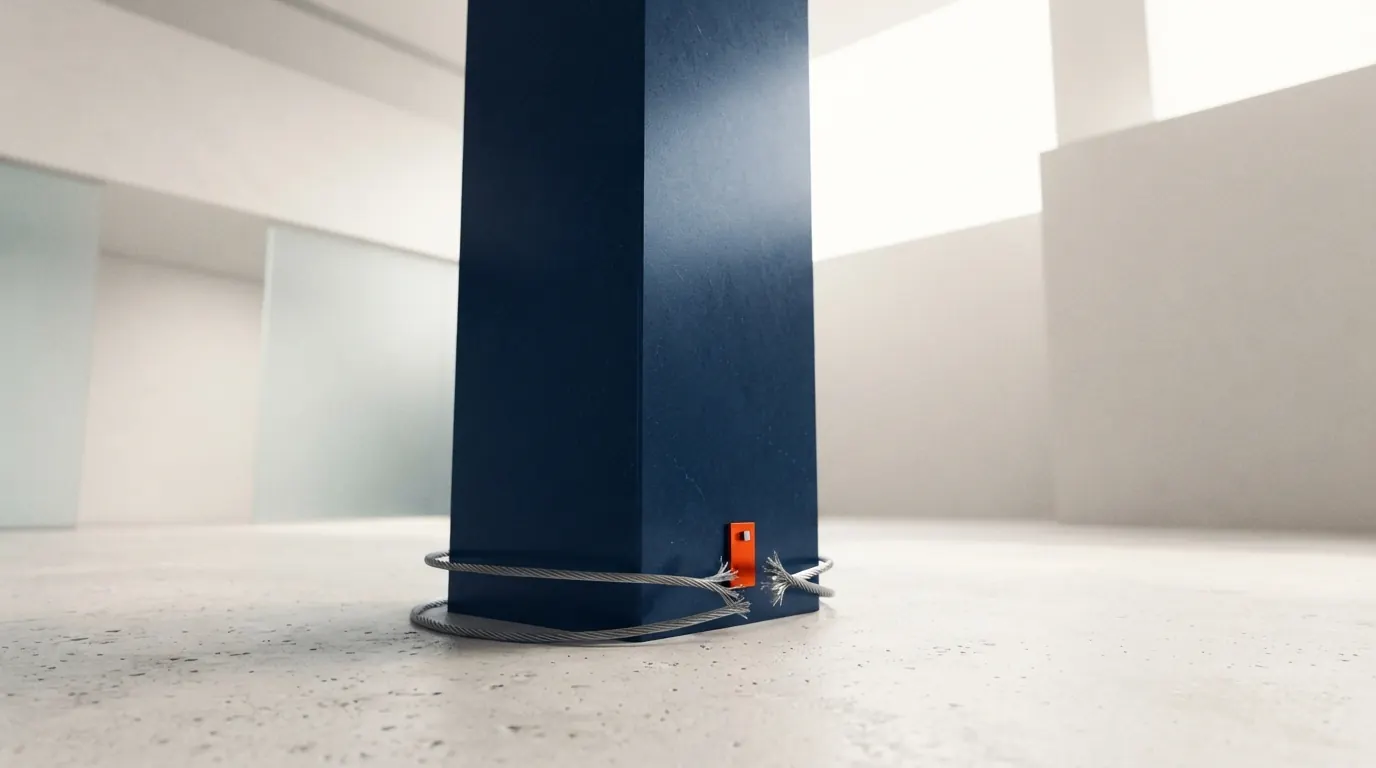
The sequence is what makes this case unique so far. It isn't a delayed product or a cancelled launch: it's a live product, with customers integrating across multiple cloud platforms, pulled by a decision external to both the company and the market.
For anyone building on someone else's model, that's the kind of interruption standard architecture doesn't cover. A fallback chain handles a server or region failing, because it switches addresses. Here the entire supplier disappears, across every cloud at once, and the only fallback that works is a different company.
The capability cited as the reason, discovering vulnerabilities in software, is the same one that audits code and writes attacks. It's the symmetry the sector debated all semester and still hasn't resolved.