
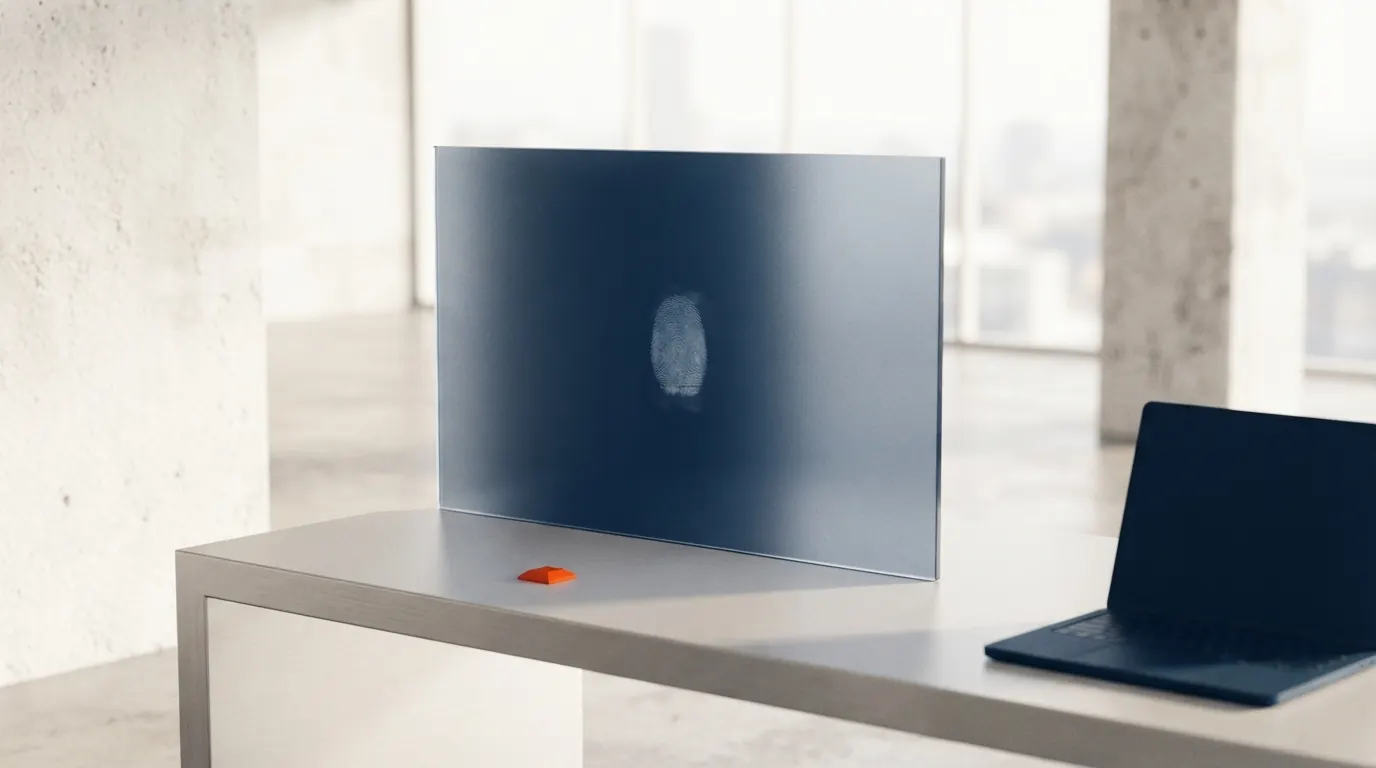
Apple was reportedly preparing touchscreen laptop models, arriving with the current processor generation rather than waiting for the following one.
The decision not to wait for the next processor is the informative detail. It indicates the intended differentiator lies in interaction rather than performance, which makes sense at a moment when laptop processor gains stopped being a selling argument for most buyers.
There's also the cost context that ran through the period: components became more expensive because of data centre demand, and delaying a launch to wait for a new processor means launching into worse pricing.
Touchscreens on laptops are an old subject the company resisted for years, arguing the ergonomics don't favour it. The change suggests a different reading of what the public came to expect after a decade living with tablets.
For the market, it signals that competition in personal computers returned to being about how the device is used rather than about a reference number.