
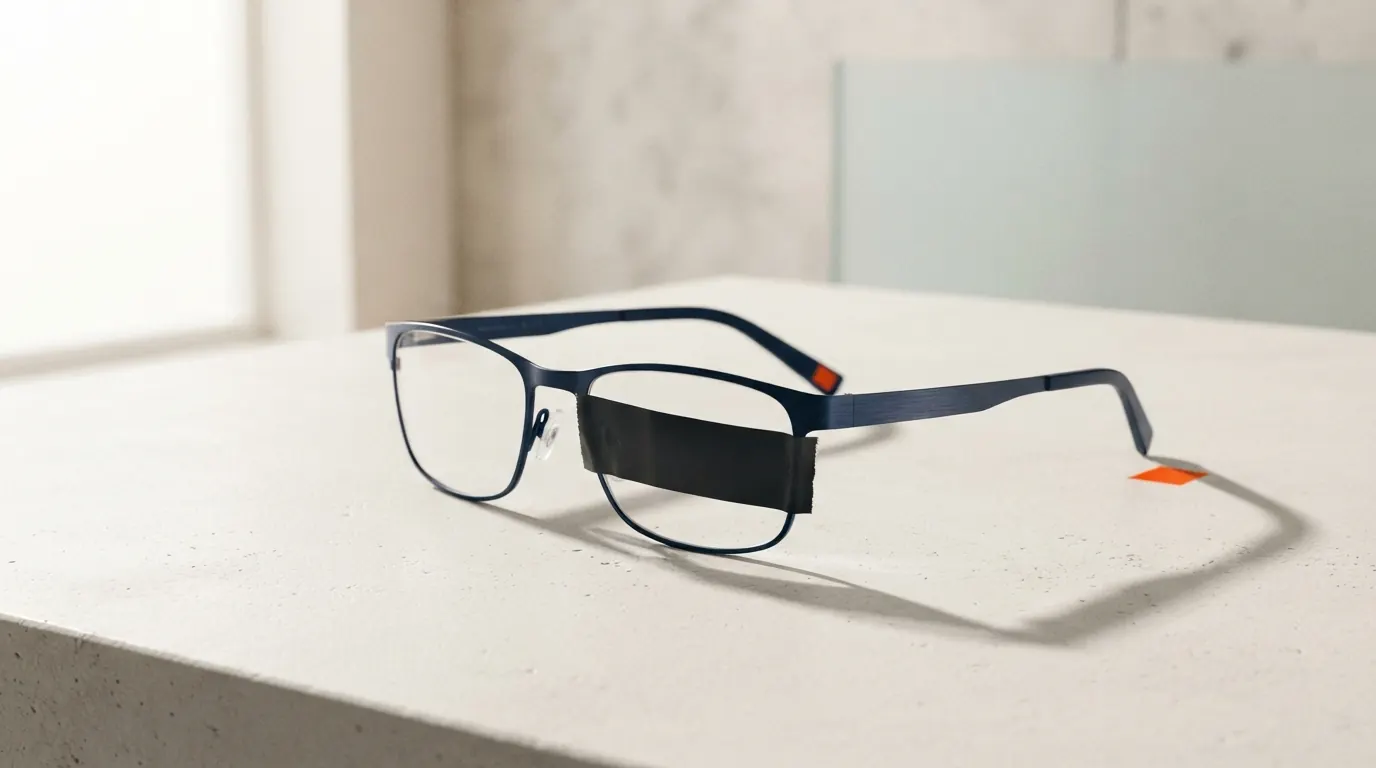
Apple reportedly paused its smart glasses programme over privacy concerns.
The decision speaks to another move in the sector, when a competitor confirmed building face recognition into glasses and removing the code before launch. Two different answers to the same impasse.
The impasse is structural. Camera glasses work better the more they recognise their surroundings, and that includes recognising people who didn't choose to participate. No setting on the wearer's device resolves consent for everyone else.
Pausing carries an obvious competitive cost in a moving market, and it's the only available decision when the difficulty isn't engineering.
For anyone building a product with a camera in shared space, the question that stalls the project is rarely whether it can be built, but who consents for the third party who walks into frame.