
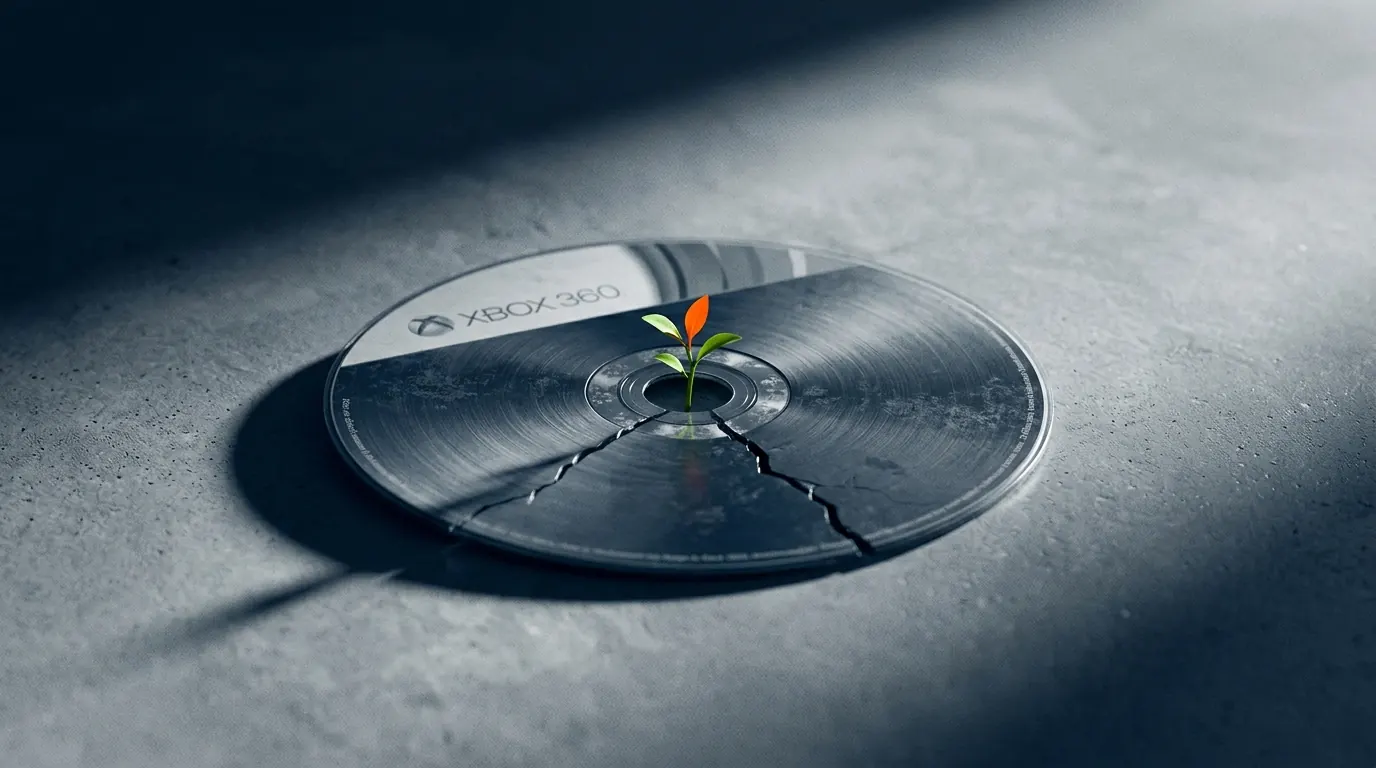
Microsoft is bringing Xbox 360 games to PC, phased through 2027 and complete in 2028. A twenty-year-old game running on a modern machine.
There's something remarkable about an industry deciding to treat software as a thing that lasts. The game bought in 2006 is still yours, and the manufacturer wants it to run on a 2028 machine.
Take a 2005 title, built for a processor architecture nobody uses now and an operating system that no longer exists. Making it run on a 2027 PC meant rewriting emulation layers, testing dozens of hardware configurations and preserving the experience of two decades ago. That isn't trivial: it takes reverse engineering, legacy documentation and continuous investment in something that generates no new revenue. In exchange, longevity becomes a brand asset. The customer trusts the whole catalogue works, not just this week's release.
For anyone building with AI, the logic runs the other way. The model you use today may not exist in two years. Vendors change prices, change interfaces, retire versions. You build on shifting sand and call it technology.
That changes the nature of the choice: it stops being technical and becomes contractual. If the interface changes, the pipeline is rewritten. If the price triples, the system breaks. No emulation saves you, because there is no frozen version of a service. The user sees none of it, but feels it when the answers change tone or the cost doubles unannounced.
The games industry understood what software still resists: what someone bought has to keep working. That isn't charity, it's a contract. Which is why there's a fallback chain here, a spending ceiling and routing. Not for luxury. For survival.