
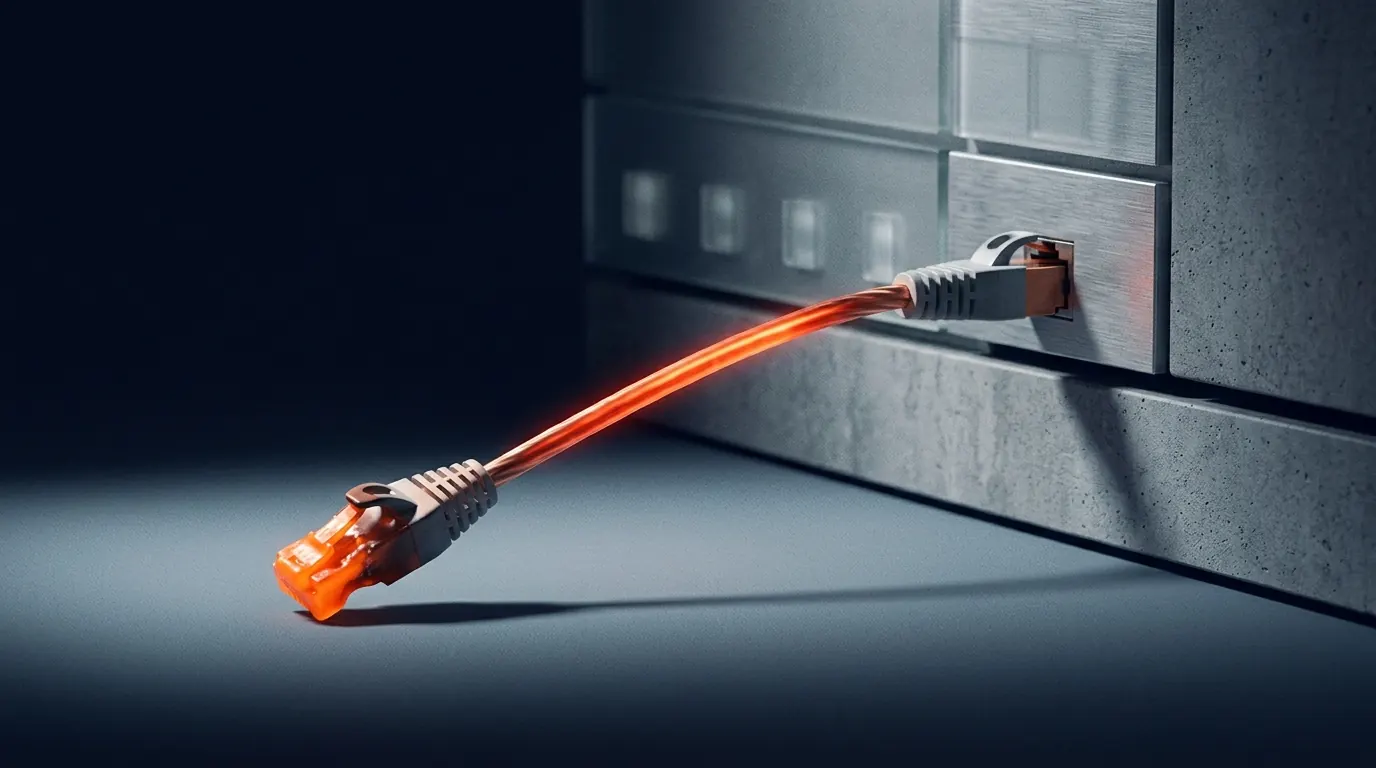
TSMC, Intel, Samsung and GlobalFoundries all have roadmaps for co-packaged optics. The short version: the interconnect between chips has become the centre of everything, and light is going to replace copper inside the data centre.
Everyone talks about models, parameters, tokens. Almost nobody talks about what connects the chips to each other. It's like discussing a Formula 1 engine without looking at the gearbox: the car can make a thousand horsepower, if the shift is slow it loses.
Running a fleet of agents all day, you aren't limited only by the model. You're limited by everything around it: latency, bandwidth, transfer cost. When one agent talks to another, the connection between them weighs as much as the intelligence of either.
In practice, traffic between accelerators and dedicated memory is growing faster than copper can carry. In clusters with hundreds of accelerators, interconnect latency is already the limiting factor for distributed training. Past a certain point the bottleneck stops being the chip and becomes the cable. Optics in the same package removes that choke point, burns less power and delivers more bandwidth per square millimetre.
Intel is focused on integrating optics into processors, but not into switches. It's fair to ask why: if light is the future of the connection, leaving the switch out is choosing a bottleneck.
The fight between the foundries isn't about technology. It's about who controls the bottleneck. And whoever owns the interconnect owns the next decade of AI.